


光晟專業服務團隊
我們很樂意為您提供協助,請選擇您需要的服務:
健康保健諮詢
對保健食品、日常保養有疑問?
0800-200-026精準檢測預約
想了解或預約個人化檢測服務?
06-505-2755企業代工洽詢
尋求保健品ODM/OEM合作?
08-762-6868服務時間:週一至週五8:30 ~17:30

Oncology Profile

Cancer Risk Assessment—Early Detection, Seizing Prevention Opportunities
Why Is "Precision" Cancer Risk Assessment Needed?
Cancer development results from multifactorial interactions, from genetic susceptibility and environmental exposure to lifestyle habits—every factor can influence risk.
Traditional cancer screening (such as imaging tests, tumor markers) often only detects cancer after cells have developed to a certain stage, missing the golden window for early prevention.
BioRay's "Cancer Risk Assessment" places "preventive medicine" at its core, breaking free from single-test limitations to deeply analyze your genes and metabolites at the molecular level,
tracking circulating cell-free DNA (cfDNA) levels in your blood to provide risk warnings before disease takes root.
Cancer Risk Assessment—Early Detection, Seizing Prevention Opportunities
Why Is "Precision" Cancer Risk Assessment Needed?
Cancer development results from multifactorial interactions, from genetic susceptibility and environmental exposure to lifestyle habits—every factor can influence risk.
Traditional cancer screening (such as imaging tests, tumor markers) often only detects cancer after cells have developed to a certain stage, missing the golden window for early prevention.
BioRay's "Cancer Risk Assessment" places "preventive medicine" at its core, breaking free from single-test limitations to deeply analyze your genes and metabolites at the molecular level,
tracking circulating cell-free DNA (cfDNA) levels in your blood to provide risk warnings before disease takes root.
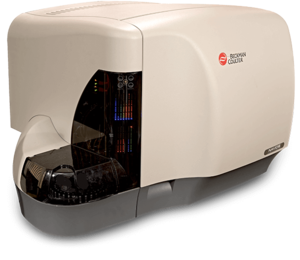 (CTC)
(CTC)
Our Differentiated Advantages and Professional Assurance
1. Integrated Application of Six Technology Platforms
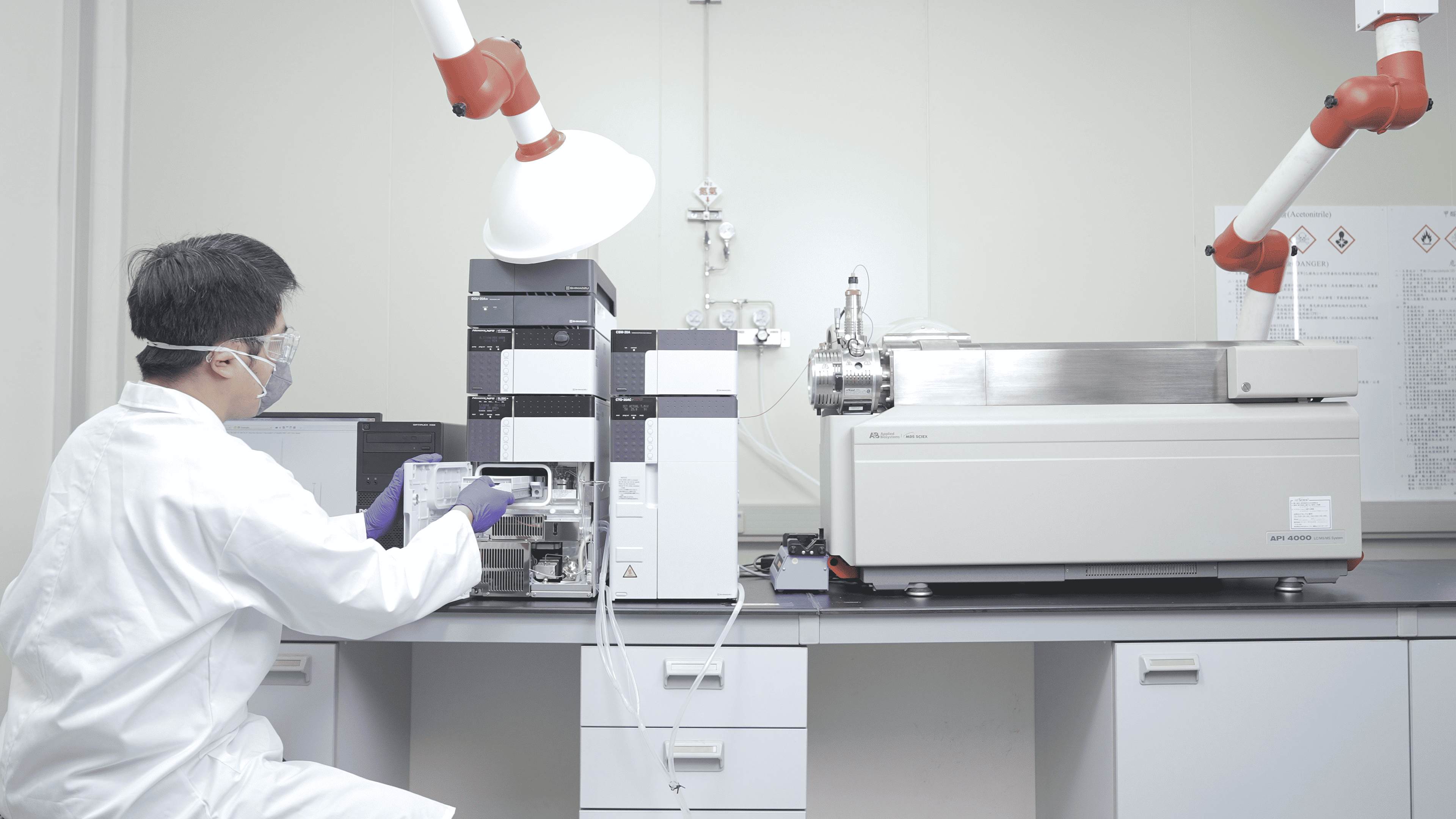
Rather than relying on a single technology, we combine platforms such as "Next-Generation Sequencing (NGS)," "Liquid Chromatography-Mass Spectrometry (LC-MS/MS)," and "Real-Time Fluorescence Nucleic Acid Quantification System (qPCR)" to collect data from multiple dimensions—genetics, metabolism, and cellular signals—building a three-dimensional risk assessment model that avoids information gaps from single tests.
2. Integrated Genetic and Metabolic Interpretation
We not only analyze cancer-related gene mutations (such as specific oncogenes) and ALDH2 gene rs671 site variations (affecting alcohol metabolism and related disease risks) but also analyze urinary metabolites, cross-validating "innate genetic susceptibility" with "acquired metabolic performance" for more precise risk assessment.